Sauna + cold plunge
Contrast Therapy Explained: Heat, Then Cold, Step by Step
The short answer
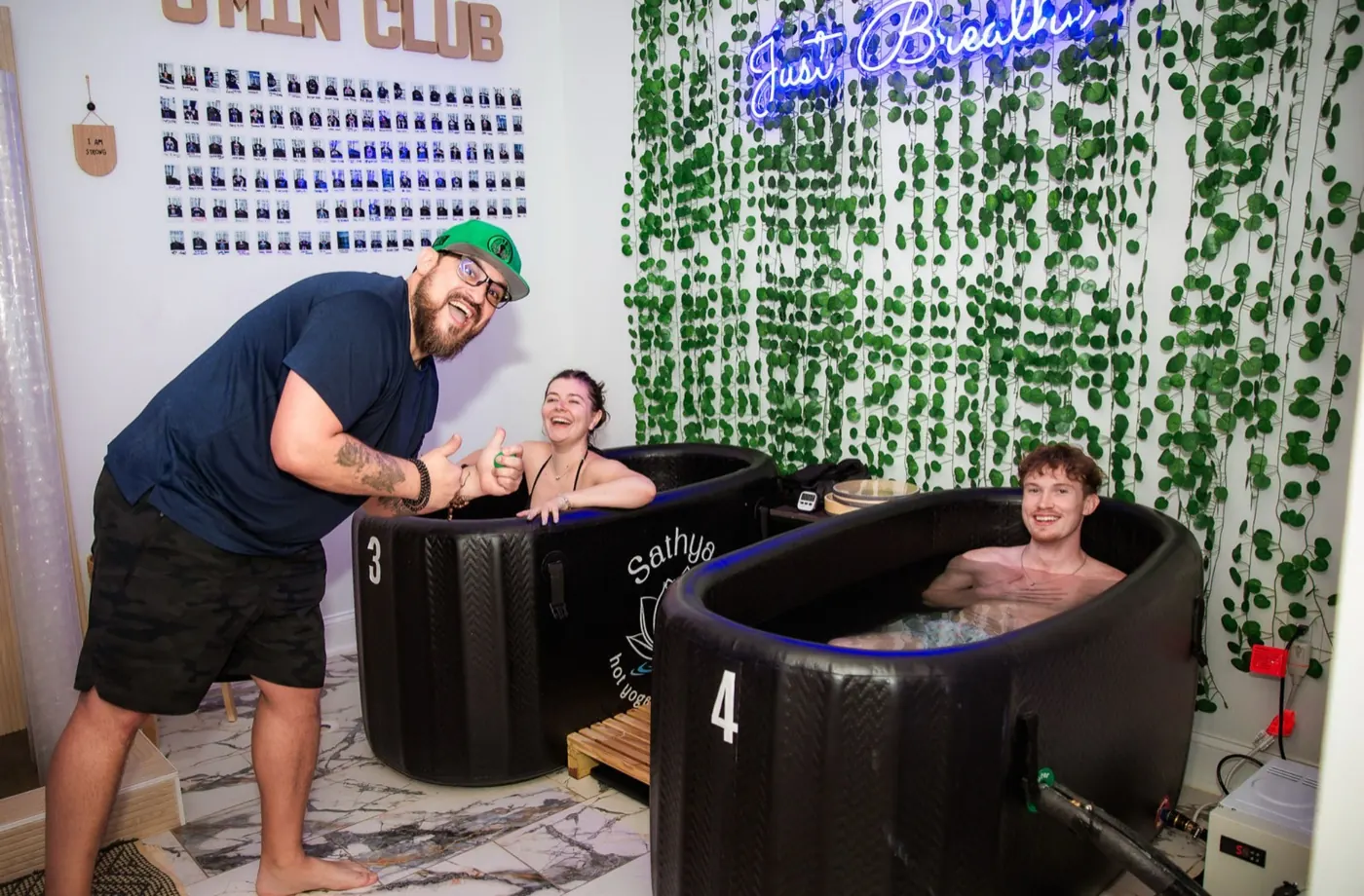
Contrast therapy means moving between heat and cold on purpose, usually a sauna followed by a cold plunge. Many people find it leaves them relaxed and clear. At Sathya Hot Yoga & Wellness in Suwanee, GA, you can try it with a cedar sauna and a cold plunge.
What is contrast therapy?
Contrast therapy is a simple idea. You spend time in heat, then you spend a short time in cold. Then you rest. Some people repeat the cycle once or twice.
You do not need special gear. A sauna and a cold plunge are enough. That is the setup at Sathya Hot Yoga & Wellness in Suwanee, Georgia.
The practice has roots in many cultures. Bathhouses and saunas paired with cold water have been around for a very long time. What is new is how easy it is to find in a neighborhood studio.
If you have used a hot tub and then jumped in a pool, you have already tried a rough version of it. A cedar sauna and cold plunge simply make the idea cleaner and easier to repeat.
You can keep the whole thing short. A single round can take less time than a typical coffee break.
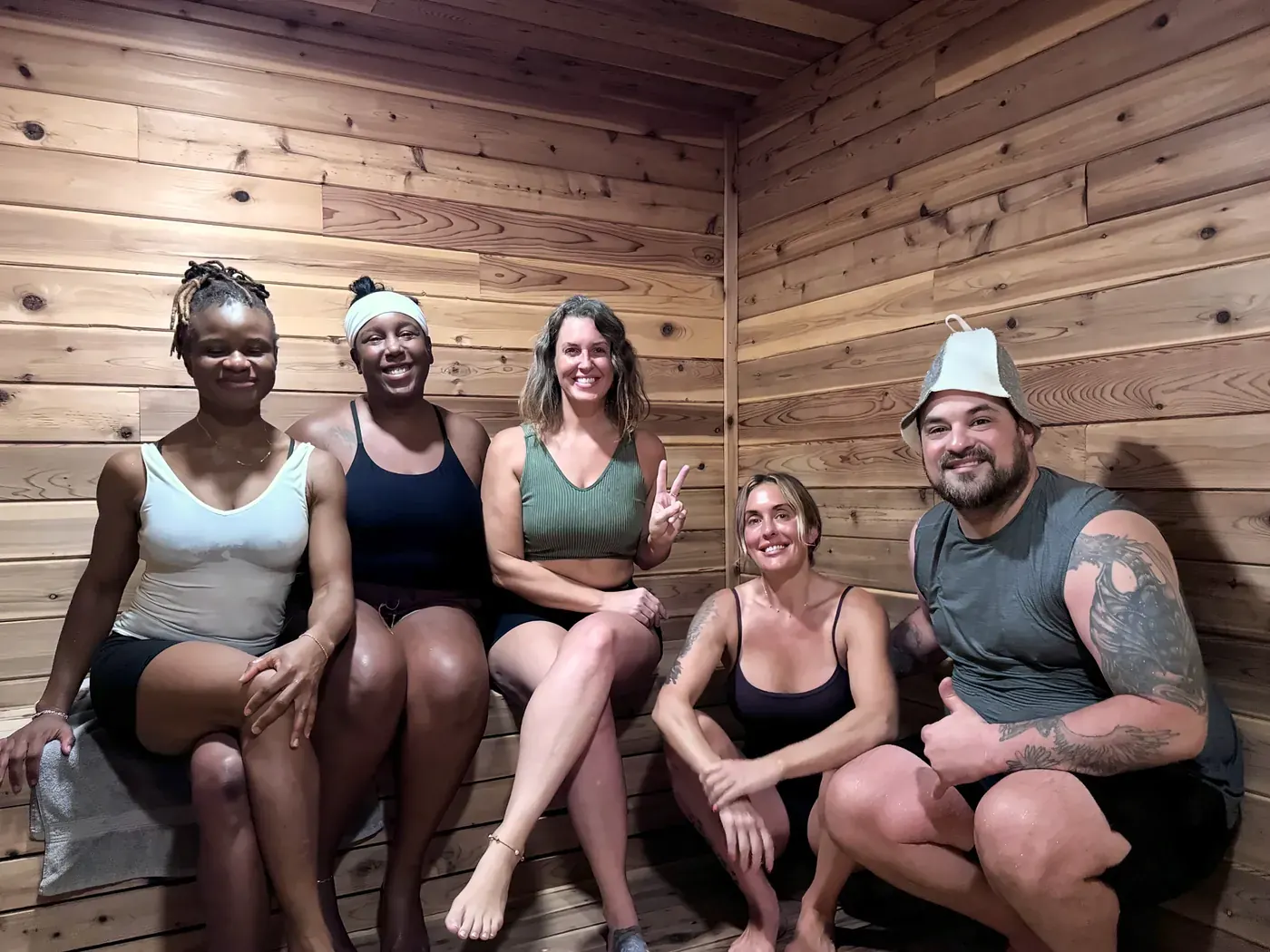
What does heat do for the body?
When you sit in a warm cedar sauna, your body warms up and your heart rate often rises a little. Many people notice they sweat, breathe slower, and let their shoulders drop.
Studies on heat exposure suggest people often feel relaxed afterward. We do not make medical promises. We simply say that many people find the heat comforting, especially after yoga.
The cedar room at Sathya is quiet on purpose. There is nothing to do but sit, breathe, and notice how you feel.
Breathing helps here. Slow nasal breaths in the heat keep things calm and make the time pass easily. Many people use the sauna as a quiet moment for breath practice.
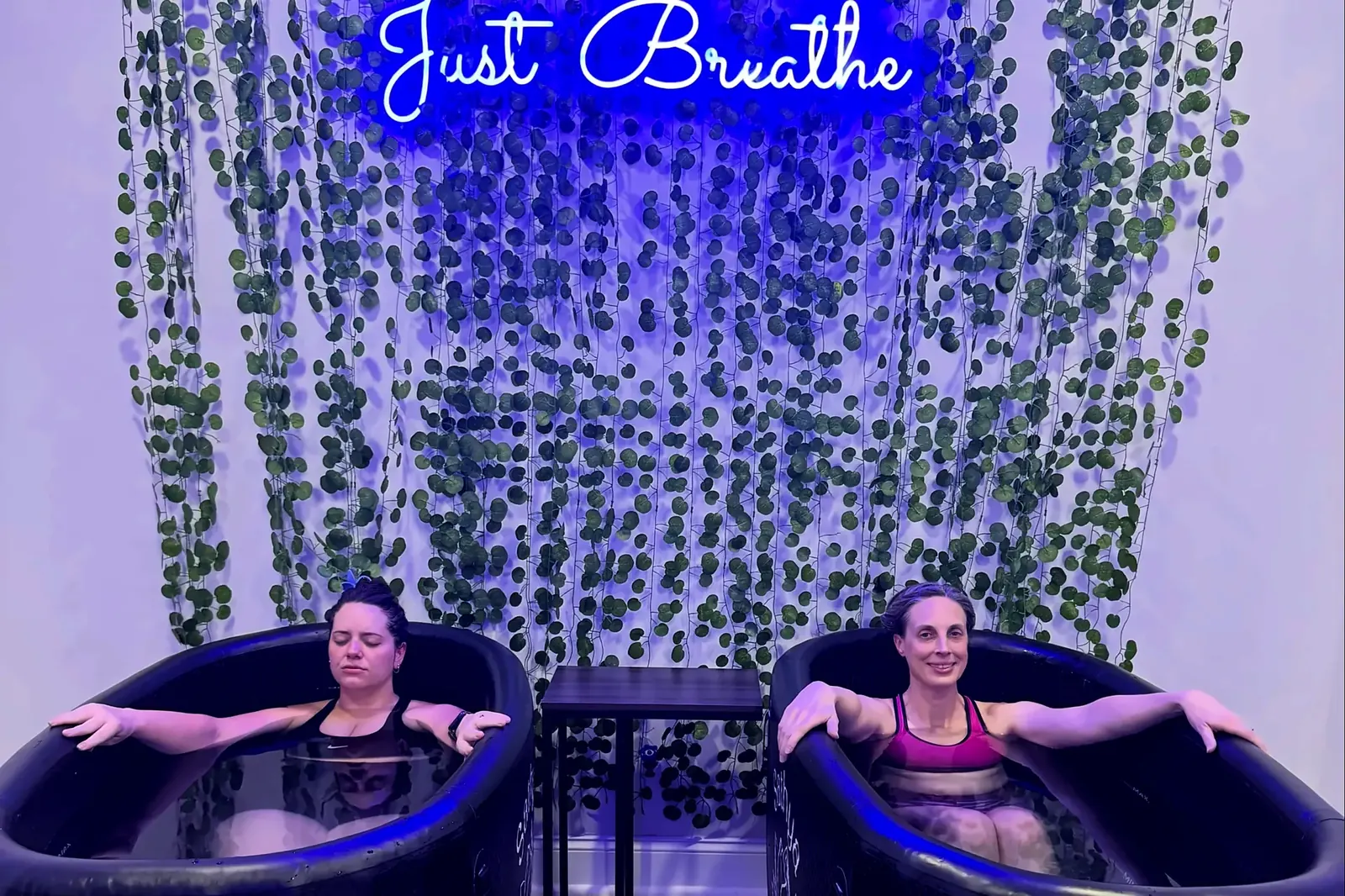
What does cold do for the body?
Cold water wakes you up. The first few seconds are sharp, and your breath wants to speed up. That is a normal response.
Many people say the cold makes their mind go quiet. You cannot think about your inbox when you are focused on breathing out slowly.
After you step out, your body often feels tingly and bright, and then calm. That shift from alert to settled is a big part of why people come back.
Your first plunge does not need to be a big event. A short dip with slow exhales is a full contrast session. You can add more time later if it feels right.
Warm up gradually afterward. Dry off, add layers, and give yourself time before you head back into your day.
How does a heat then cold session flow?
Here is a gentle, beginner-friendly order.
- Shower and hydrate before you start.
- Sit in the cedar sauna for a comfortable stretch.
- Step out and cool your skin, then enter the cold plunge for a short dip.
- Rest for a few minutes in a quiet spot.
- Repeat once more only if you feel good.
Always end on rest. A session that finishes with a few quiet minutes feels very different from one that ends in a rush.
Not sure how long to stay in the water? Read our guide to cold plunge timing for beginners.
Keep your first sessions the same each time. When you change only one thing at a time, such as the length of the dip, it is easy to tell what works for you.
Rest does not have to be fancy. A chair, a blanket, and a glass of water are all you need.
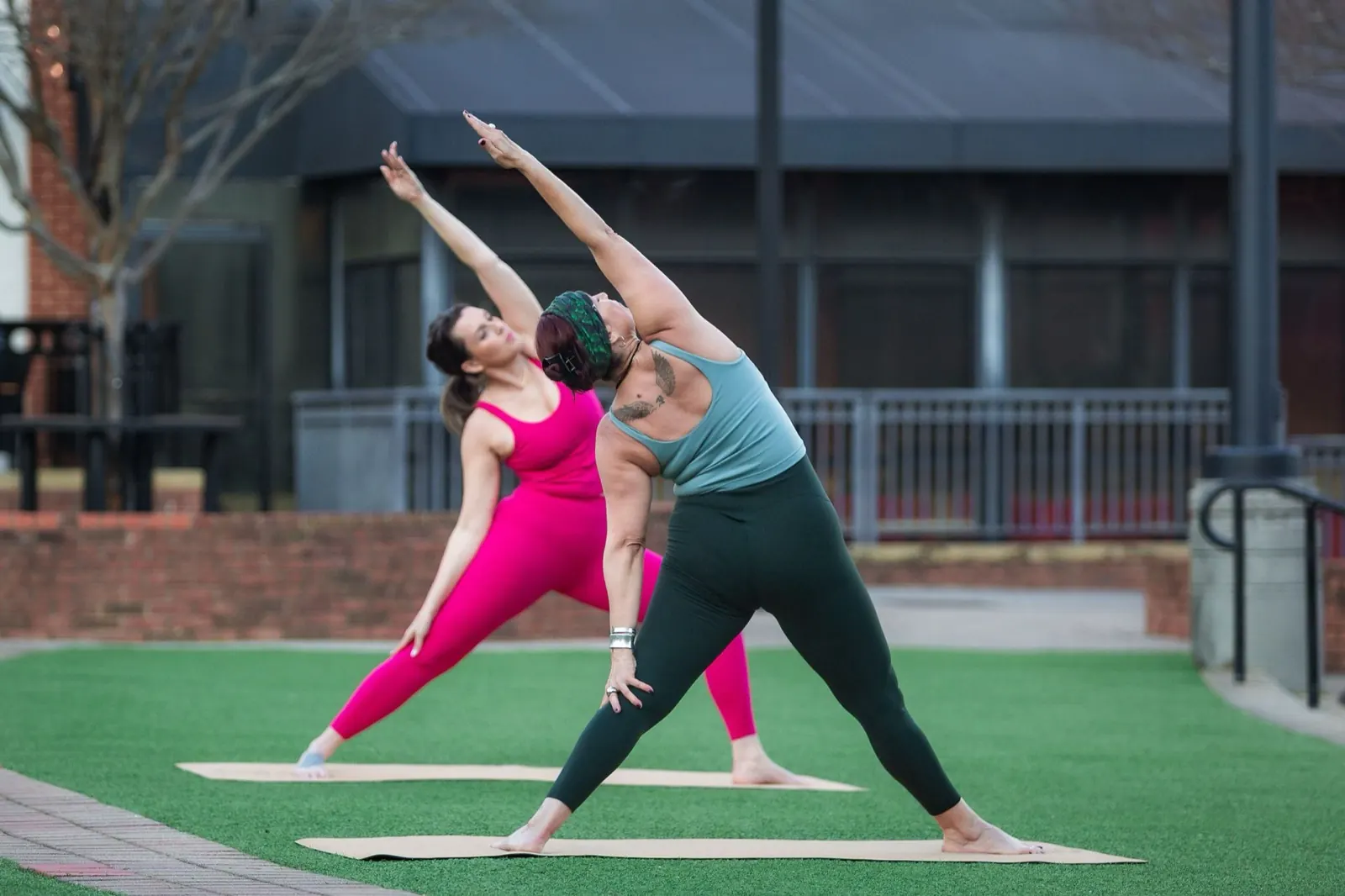
Why is the order heat first, then cold?
Starting warm makes the cold easier to enter. Your muscles are loose, your breathing is slow, and you have already practiced being still.
Ending on cold also feels clean and crisp. Then you rest, which lets your body come down at its own speed.
Some people like to end on heat instead. Try both on different days and notice which one you prefer. At Sathya, the usual flow is heat, cedar, cold, rest.
A good rule: if you are curious about how much to do, do less. You can always add a second round on your next visit. Consistent, gentle sessions tend to feel better than one extreme try.
Is contrast therapy right for everyone?
No. People with heart conditions, high blood pressure, pregnancy, or other health concerns should talk with their doctor first. We cover this in more detail in our post on who should skip the sauna or cold plunge.
If you feel dizzy, sick, or unwell at any point, step out and rest. Nothing about this practice is worth pushing through discomfort.
Ready to try it? The Hot/Cold membership is $99 a month, and a single visit is $29. See pricing for all the options.
Contrast therapy is not a substitute for medical care. If you have an injury or a condition, ask your doctor how heat and cold fit into your plan.
FAQ
Questions people ask
Is contrast therapy the same as a cold shower after a sauna?
It is close in spirit. A cold shower is a milder version. A cold plunge gives a fuller, more immersive cold, so it feels stronger. Many people start with a cool shower and work toward the plunge.
How many rounds of heat and cold should I do?
Beginners often do one round and see how they feel. Some people add a second round. There is no required number. Stop whenever you feel finished or uncomfortable, and always end with rest.
Do I need to do yoga before contrast therapy?
No, but many people like to. Yoga and breathwork warm you up and teach you to stay calm, which makes the cold easier. Sathya offers both classes and standalone sauna and plunge visits.
Does contrast therapy hurt?
The first seconds of cold feel intense, but it should not feel painful. If you feel pain, numbness, or dizziness, get out and warm up. Go slowly and keep early sessions short.
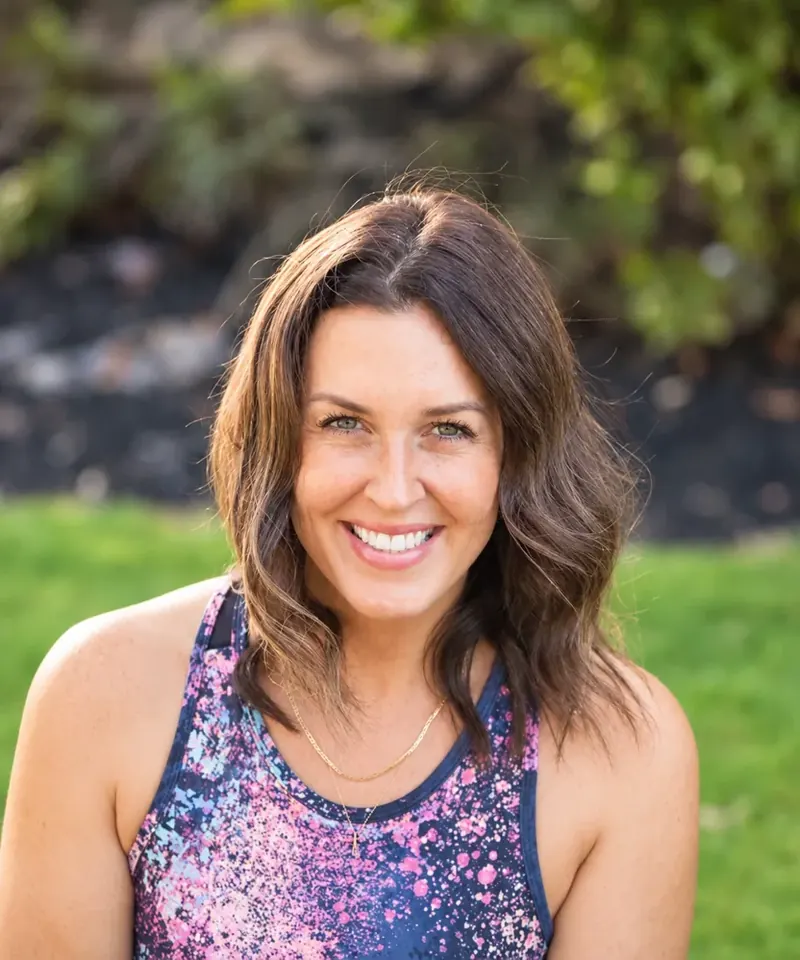
From the Sathya team. Kim Johns and Gigi Gomez opened Sathya Hot Yoga & Wellness in Suwanee in August 2024: two studios, a cedar sauna, a cold plunge and a rope wall. Working in, not working out.
Your first class
Reset, rest, community.
Two weeks of unlimited classes for $49. Credited toward your first month if you join.
Keep reading