Classes + practices
Rope Wall Yoga (Kurunta) Near Atlanta: What It Is and Why It's Rare
The short answer
Rope wall yoga, also called Kurunta yoga, uses ropes anchored to a wall so you can lean, hang, and fold into poses with support. It is rare because it needs a built wall. Sathya Hot Yoga & Wellness in Suwanee, GA has one of about 3 rope walls in the Atlanta area.
What is rope wall yoga?
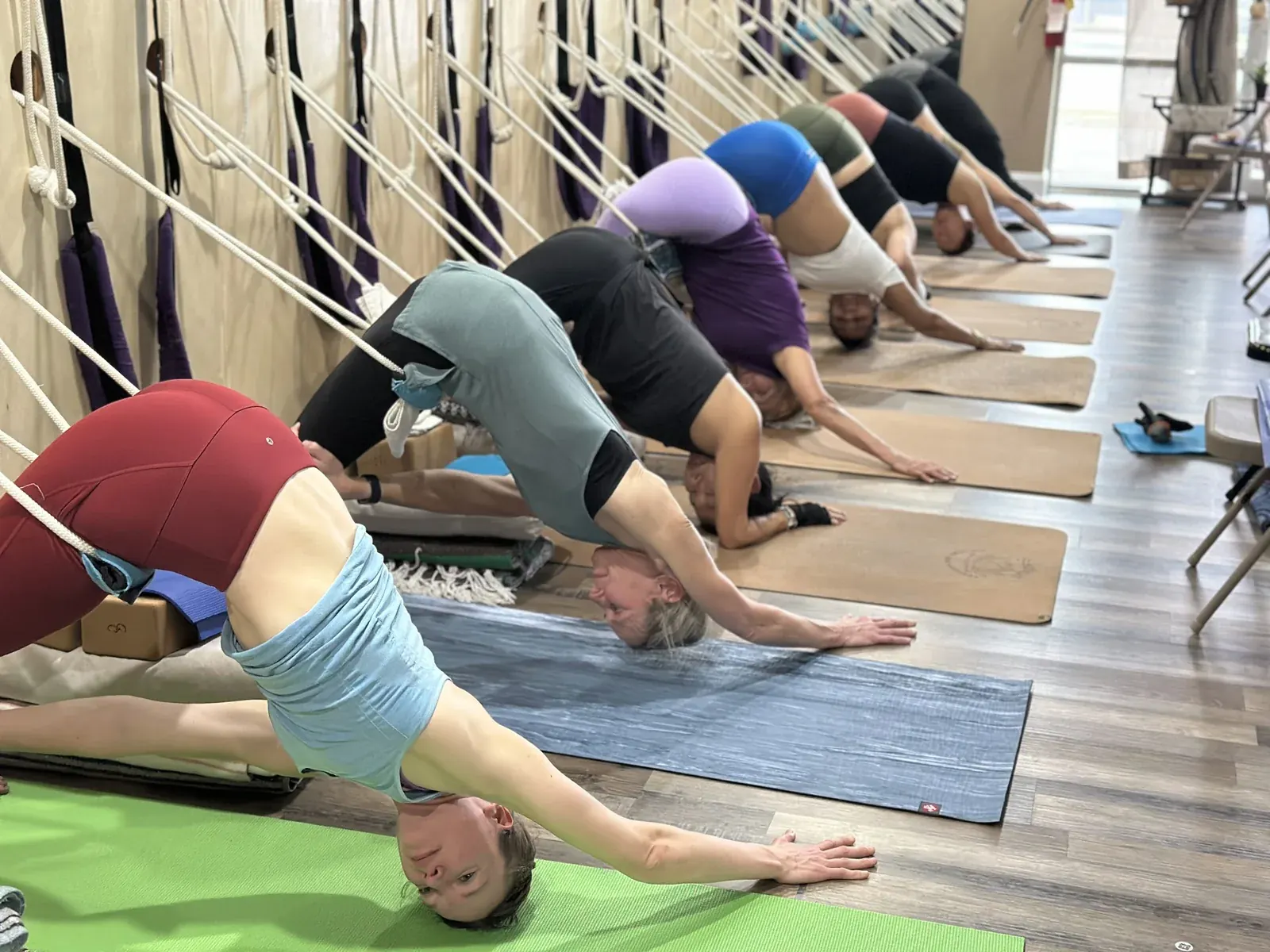
Rope wall yoga, often called Kurunta yoga, is a style of practice built around a set of ropes fixed to a wall. You use the ropes to hold your weight, so your body can open up without you having to fight gravity.
Think of it as a helping hand that never gets tired. The ropes catch you while you learn a pose, so you can focus on your breath and where you feel the stretch.
How does a rope wall class work?
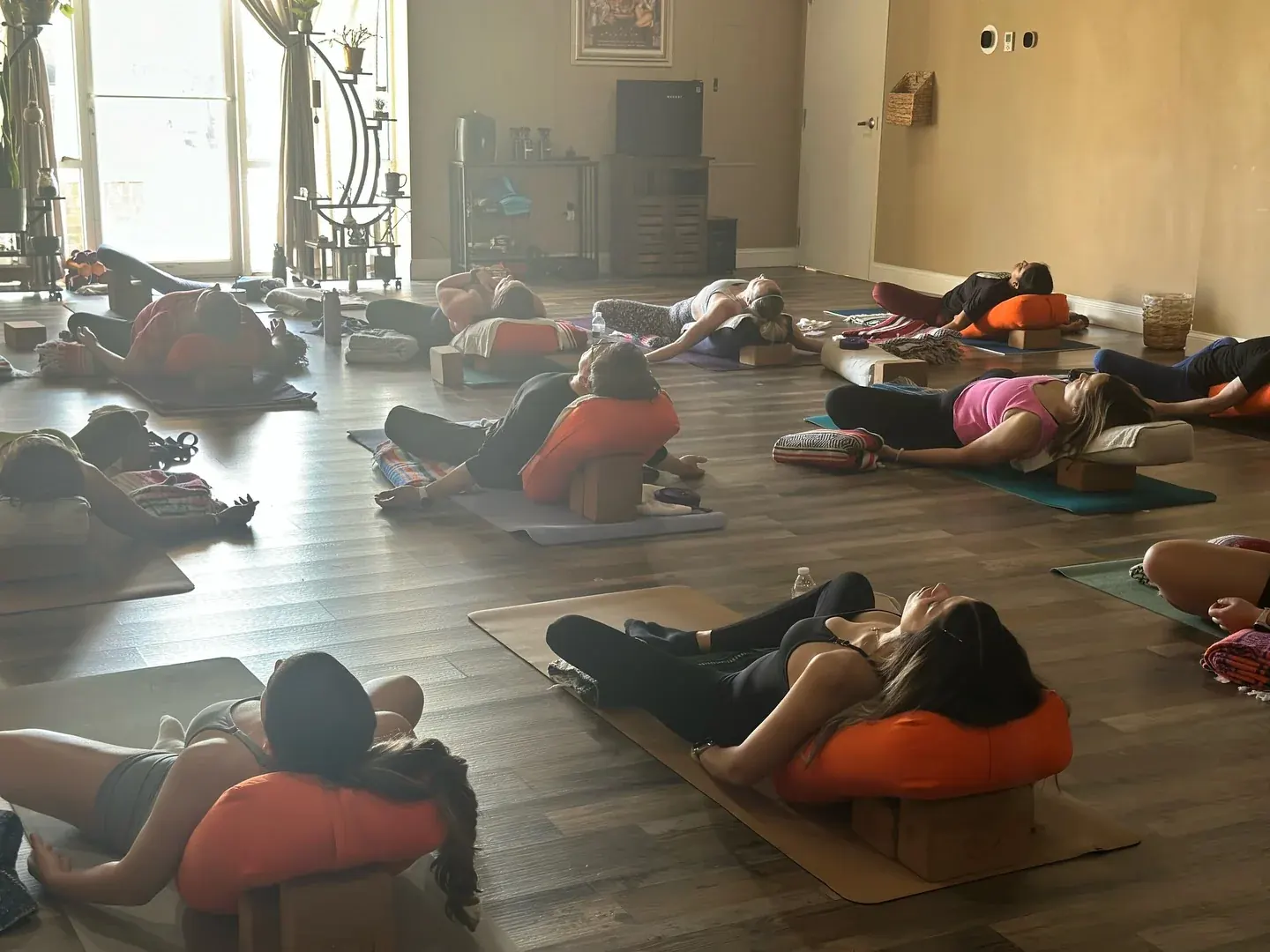
Most poses start with your hands, hips, or feet in the ropes. From there you fold, hang, or lean back and let the rope take some of the load. Many people find that the poses feel quieter and slower than a standard flow class.
A typical session might include:
- Hanging folds that stretch the back of the legs and the spine
- Supported backbends with the rope under your hips or ribs
- Hip openers where the rope holds your leg in place
- Gentle inversions with the wall close by
- A long rest at the end
You do not need to be strong or flexible to start. The rope does a lot of the work for you, and the teacher shows you where to place your hands and feet.
Why is it so rare near Atlanta?
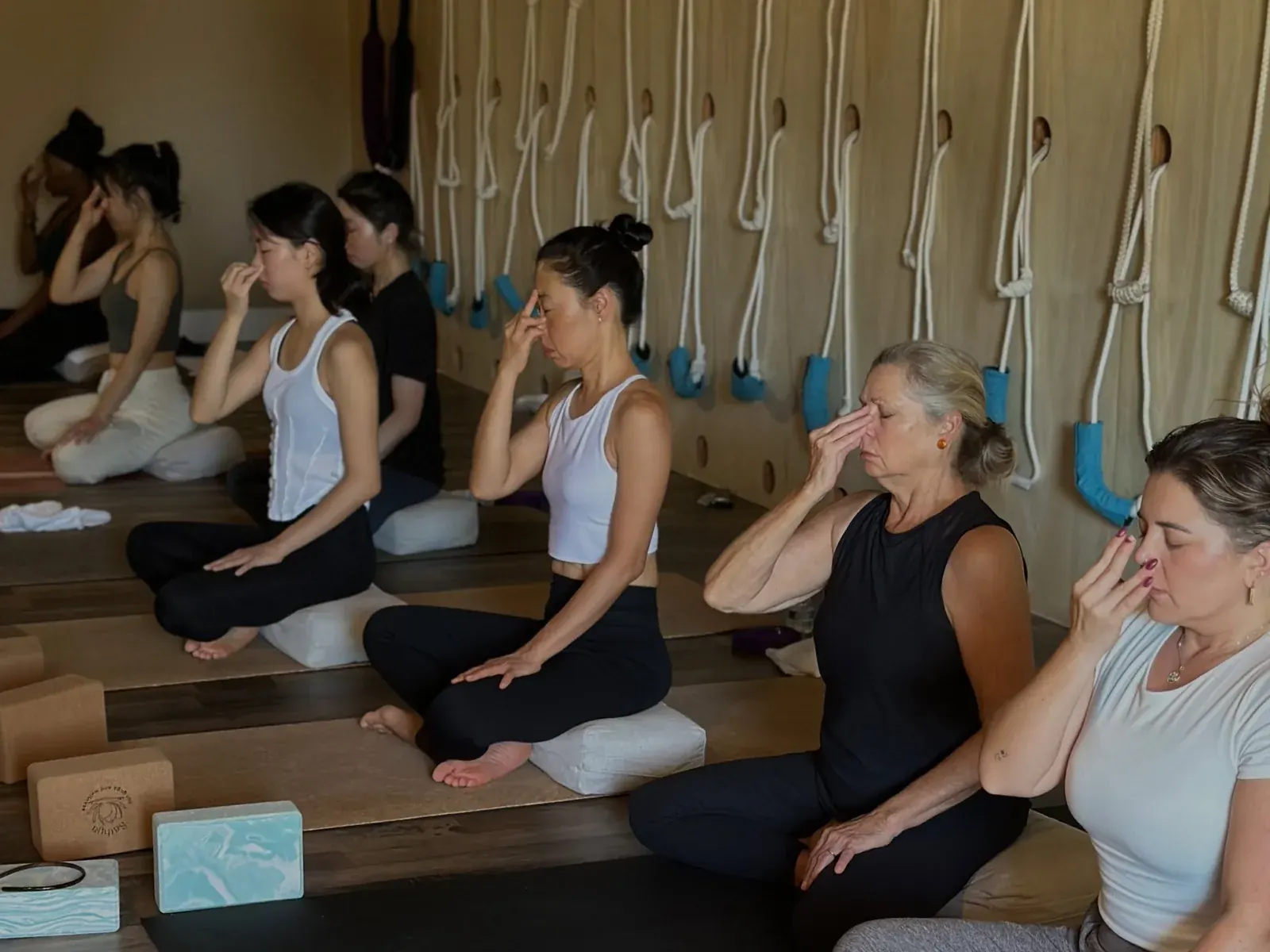
A rope wall is not something a studio can fake with a mat and a prop. It needs a solid wall, proper anchor points, and enough room to hang and swing safely. That is a real build, and many studios do not have the space or the budget.
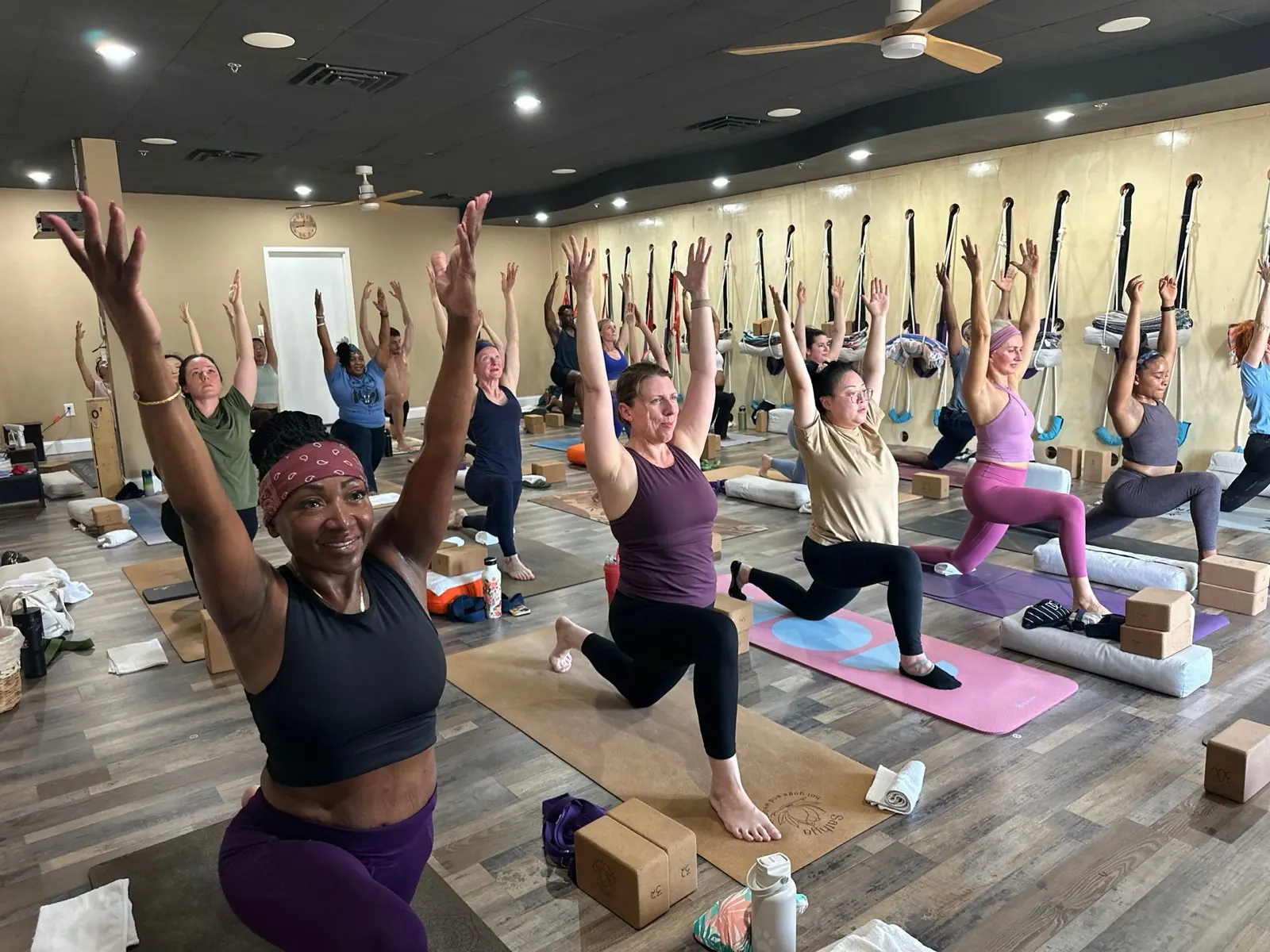
Sathya Hot Yoga & Wellness in Suwanee, Georgia has a rope wall, and it is one of about 3 in the Atlanta area. We opened in August 2024. If you have looked for rope wall yoga in Duluth, Johns Creek, or Alpharetta and come up empty, that is why.
Teachers set up each pose step by step. They show you how the rope sits, where to put your weight, and how to come out of the pose slowly. Nobody throws you in the deep end, and you can always ask for a simpler version.
A rope wall class also tends to be quieter inside your head. Because the pose is held by the rope, your mind has less to manage. Many people say they notice their breath more, and that is where the calm comes from.
What are the benefits of using a rope wall?
Many people find that ropes help them feel more at ease in poses that usually feel tight or scary. Here is what students often tell us they like:
- Support while learning. You can try a pose you would skip on the floor.
- A longer, easier stretch. The rope holds you so you can stay and breathe.
- Less pressure on the wrists. Hanging takes weight off your hands.
- A calm nervous system feel. Slow poses with steady breath can help you feel settled.
- Fun. Hanging in a rope wall feels playful, and that matters.
None of this is medical advice. If you have an injury, a health condition, or you are pregnant, talk to your doctor and tell your teacher before class.
Is rope wall yoga good for beginners?
Yes. Beginners often do well on the rope wall because the ropes give you a clear sense of where to put your body. You are not guessing. You are being held.
It is also a good pick if you sit a lot. Many desk workers in Gwinnett County and Forsyth County tell us their back and hips feel tight, and the hanging folds give them a way to slow down and stretch with help.
If you are new to the studio, start with the two-week intro: 2 weeks of unlimited classes for $49. You can try hot yoga, non-heated yoga, and other classes and see what feels like yours. Details are on our pricing section.
What should you bring and wear?
Wear clothes that stay put when you hang, like leggings or fitted shorts and a top that will not slide up. Bring water and a small towel. We have mats, and teachers will walk you through the ropes before you try anything new.
Arrive a few minutes early the first time. Tell the teacher if anything hurts or feels off, and they will give you a different option. You can see what else we teach in the class list.
Can your group try the rope wall?
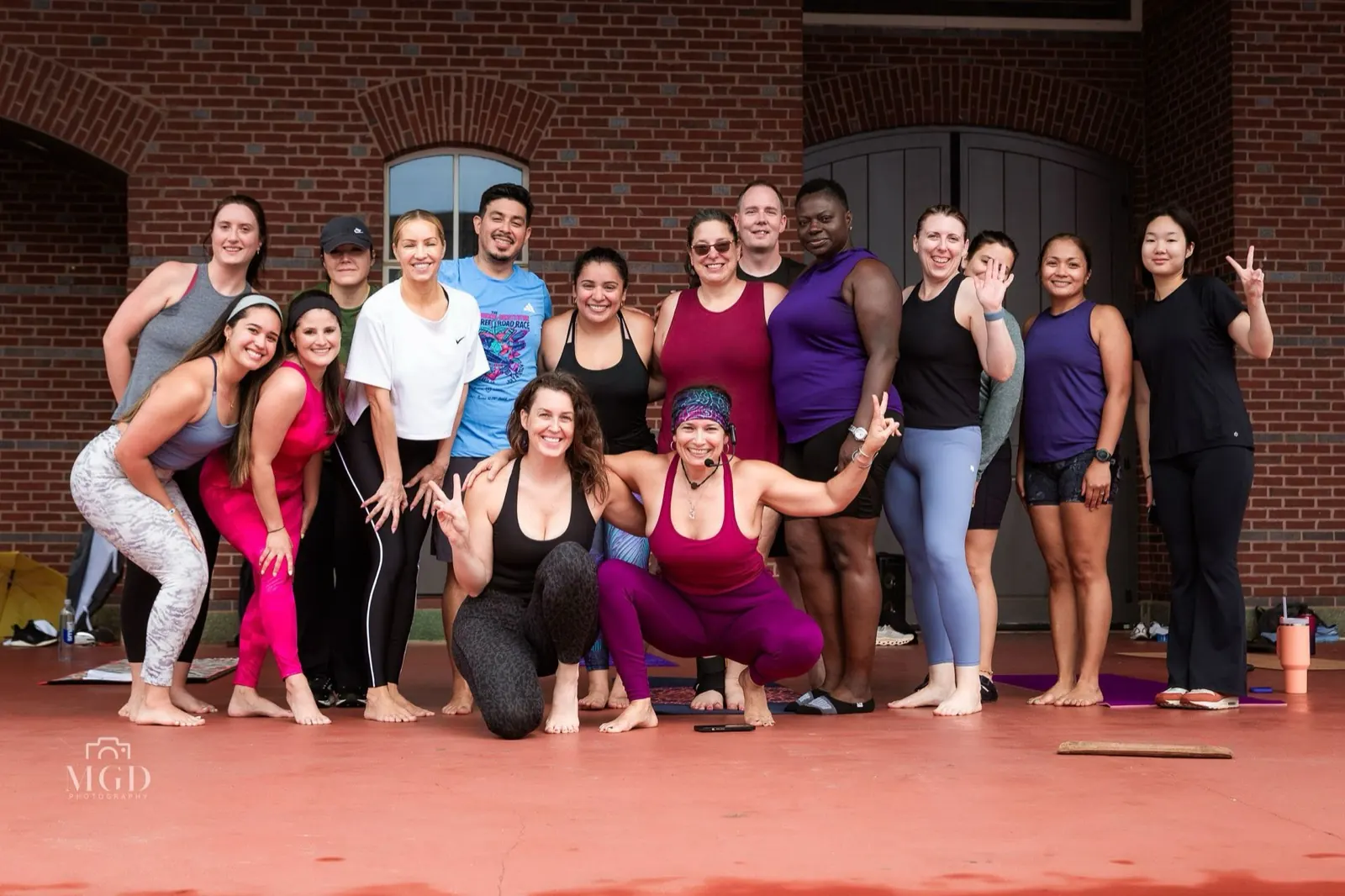
Yes. Birthdays, girls' nights, and team events make great use of it because it gets people laughing and moving together. Our private events page shows how a studio buyout works, and the whole thing runs about 2 hours.
If you want to try something most people near Atlanta have never done, the rope wall at Sathya in Suwanee is a good place to start.
FAQ
Questions people ask
Is Kurunta yoga the same as Iyengar yoga?
Kurunta is a rope wall method linked to the Iyengar tradition. It uses ropes on a wall to support poses. At Sathya, we use it as a way to stretch and rest with help, not as a strict style.
Do I need to be flexible for rope wall yoga?
No. The ropes hold some of your weight, so you can ease into a stretch at your own pace. Many first-timers say they felt more open than they expected.
Is the rope wall safe?
The rope wall is built into the wall with proper anchors, and teachers guide you through each setup. Tell your teacher about any injury before class, and skip anything that does not feel right.
How do I book a rope wall class at Sathya?
Book through the Sathya app, which runs on Arketa, or on ClassPass. Call 470-392-4493 or email info@sathyayogawellness.com if you want help picking the right class.
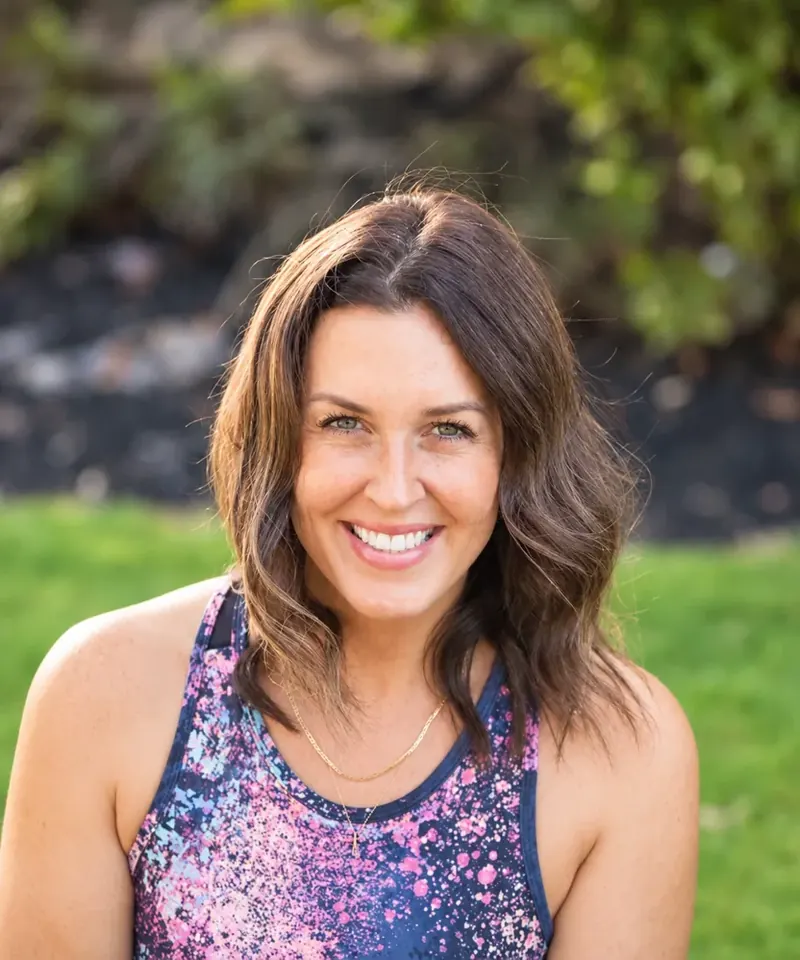
From the Sathya team. Kim Johns and Gigi Gomez opened Sathya Hot Yoga & Wellness in Suwanee in August 2024: two studios, a cedar sauna, a cold plunge and a rope wall. Working in, not working out.
Your first class
Reset, rest, community.
Two weeks of unlimited classes for $49. Credited toward your first month if you join.
Keep reading